NS Mainframe: The Backbone of Modern Enterprise and Rail Operations
When you hear the term NS Mainframe, you might first think of “big, old computers” tucked away in a server room. In reality, NS Mainframe is far more than that. It is the core of modern computing for Norfolk Southern (NS), one of the leading freight railroads in the United States, and it represents a larger trend in enterprise IT where mainframes continue to power essential operations even in a cloud-driven world. In this article, we’ll explore what NS Mainframe really is, how it works, why it matters, and its place in both transportation and enterprise computing.
Quick Overview of NS Mainframe
At its core, NS Mainframe refers to the critical computing infrastructure that supports Norfolk Southern’s operations. From tracking thousands of railcars to scheduling freight across the country, NS Mainframe handles massive amounts of data every second. These systems are reliable, secure, and built for scale, which is why they remain indispensable even in today’s fast-moving tech environment.
But NS Mainframe isn’t just limited to Norfolk Southern. In broader IT language, it can also refer to Next-Generation or New System mainframes, which are designed for enterprise environments that require heavy-duty computing power, high reliability, and robust security. Whether in railroads, banking, healthcare, or logistics, mainframes remain a core part of enterprise IT strategies.
What Makes a Mainframe “NS Mainframe”?
When we talk about NS Mainframe in the context of Norfolk Southern, we’re talking about a system that does several things extremely well:
- Reliability: These systems are built to run 24/7 without interruption. For a railroad network that spans thousands of miles and operates around the clock, downtime is not an option.
- Scalability: NS Mainframe can process millions of transactions and data points simultaneously, from cargo movement to billing and inventory tracking.
- Security: Freight railroads deal with sensitive data, from client shipping information to operational logistics. NS Mainframe ensures data is protected against unauthorized access or breaches.
- Integration: It works seamlessly with other IT systems, including cloud platforms, mobile apps for drivers, and enterprise resource planning (ERP) tools.
These attributes make NS Mainframe not just a computer system but a mission-critical platform that drives operational efficiency for Norfolk Southern.
How NS Mainframe Powers Norfolk Southern Operations
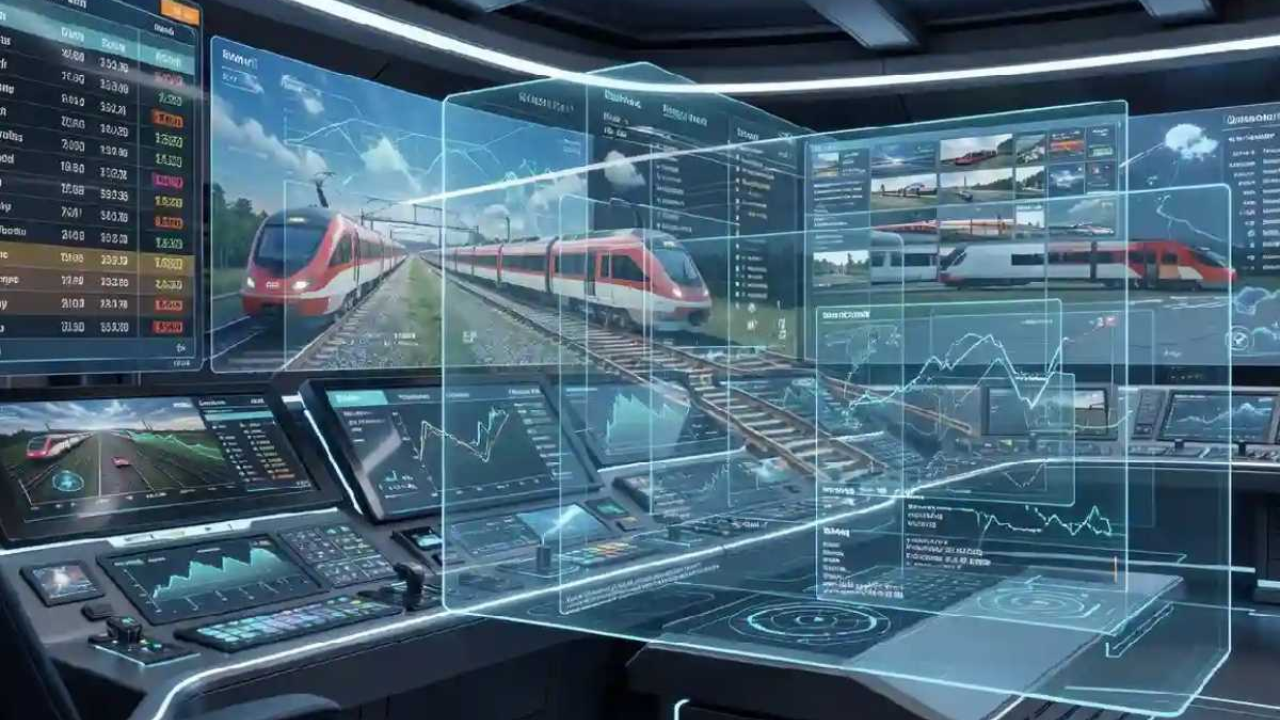
Norfolk Southern operates one of the largest rail networks in North America, and that requires an immense coordination of people, trains, freight, and schedules. NS Mainframe is the digital backbone of all these operations. Let’s break it down:
1. Train Scheduling and Routing
Imagine trying to manage thousands of trains, each with hundreds of railcars, across multiple states. NS Mainframe handles complex routing, predicting optimal paths and avoiding delays. It can calculate the fastest or most fuel-efficient routes, taking into account weather, track availability, and cargo priorities.
2. Freight Tracking
Customers want to know exactly where their shipments are at all times. NS Mainframe tracks every railcar in real-time, providing updates to customer portals and internal dashboards. This tracking isn’t just for convenience—it’s crucial for safety and logistics planning.
3. Inventory and Resource Management
Railroads are essentially moving warehouses. NS Mainframe monitors inventory, scheduling maintenance for engines, managing fuel supplies, and ensuring that equipment is ready when needed.
4. Billing and Financial Operations
Every shipment has associated costs. NS Mainframe handles billing, payment processing, and accounting in real-time, minimizing errors and streamlining financial workflows.
5. Safety and Compliance
Railroads are highly regulated. NS Mainframe ensures compliance with federal safety regulations, monitors track conditions, and generates reports for auditing purposes.
The Evolution of NS Mainframe
Mainframes often get a reputation for being “old school,” but the truth is that NS Mainframe represents a bridge between traditional computing and modern enterprise needs. Here’s how it evolved:
- Legacy Systems: Early mainframes were purely transactional, handling batch processing for scheduling and financial tasks. They were powerful but inflexible.
- Integration with Modern Tech: Today’s NS Mainframe connects with cloud services, mobile applications, and advanced analytics platforms, enabling smarter decision-making.
- Next-Generation Capabilities: Modern NS Mainframe solutions support AI, machine learning, and predictive analytics. This allows Norfolk Southern to anticipate problems before they happen, optimize routes, and enhance customer service.
NS Mainframe in the Context of Enterprise IT
Outside of railroads, the term NS Mainframe also signals the idea of “Next-Generation” or “New System” mainframes in enterprise IT. Companies that need high-volume, high-speed, and highly reliable computing turn to mainframes for several reasons:
- Processing Power: Mainframes can handle millions of transactions per second without slowing down.
- Security: Built-in encryption and access controls make them ideal for sensitive data.
- Longevity: Unlike many server setups, mainframes are designed to last for decades with continuous updates.
- Integration: Modern mainframes are compatible with cloud services and microservices architecture, bridging old and new technologies.
Banks, airlines, insurance companies, and logistics firms often rely on NS Mainframe-style systems to keep operations smooth.
Why NS Mainframe Matters Today
Even in a world dominated by cloud computing, NS Mainframe is relevant and necessary. Here’s why:
- Critical Infrastructure Dependence: For Norfolk Southern, any disruption in mainframe operations can halt rail traffic and affect the supply chain nationwide.
- Data-Driven Decision Making: Mainframes manage huge datasets and provide analytics that inform operations, maintenance, and strategic planning.
- Hybrid IT Environments: Modern enterprises often combine mainframes with cloud platforms to balance reliability, cost, and flexibility.
- Resilience Against Cyber Threats: Mainframes are naturally resilient to many forms of cyber attacks, offering an additional layer of security compared to standard servers.
The Human Side of NS Mainframe
It’s important to remember that NS Mainframe isn’t just about technology; it’s also about people. The system supports the engineers, dispatchers, analysts, and managers who keep Norfolk Southern running. By automating repetitive tasks, streamlining communication, and providing actionable insights, NS Mainframe allows people to focus on strategic decisions rather than firefighting operational issues.
Looking Ahead: The Future of NS Mainframe
The future of NS Mainframe is exciting. As technology evolves, these systems are likely to incorporate more AI, predictive analytics, and real-time data processing. Some potential developments include:
- AI-Driven Scheduling: Predicting delays and optimizing train routes using machine learning.
- IoT Integration: Connecting sensors on railcars, engines, and tracks directly to the mainframe for real-time monitoring.
- Cloud-Mainframe Hybrids: Balancing on-premise mainframes with cloud solutions for scalability and flexibility.
- Enhanced User Interfaces: Making it easier for employees to interact with complex data through dashboards and mobile apps.
This evolution ensures that NS Mainframe will remain central to Norfolk Southern and enterprise computing for years to come.
Why Companies Should Care About NS Mainframe Concepts
Even if your business isn’t a railroad, the lessons from NS Mainframe are valuable:
- Reliability Matters: Systems that run nonstop with minimal downtime are critical for large-scale operations.
- Data Is Power: Centralized, real-time data supports better decisions and operational efficiency.
- Integration Is Key: Combining old systems with new technologies is essential for modern business agility.
- Security Cannot Be an Afterthought: Protecting sensitive information must be built into the core system, not added later.
Businesses that embrace NS Mainframe-style thinking—prioritizing robustness, reliability, and integration—tend to outperform competitors in complex operational environments.
Conclusion
NS Mainframe is more than just a computer system—it’s the backbone of Norfolk Southern’s operations and a symbol of the enduring value of mainframes in enterprise computing. From tracking thousands of freight shipments to ensuring safety, compliance, and financial accuracy, NS Mainframe proves that even in a cloud-first world, mainframes remain essential.
By understanding NS Mainframe, we gain insight not only into how one of America’s largest railroads operates but also into the principles that make large-scale computing systems successful. Reliability, scalability, security, and integration are not just technical specs—they are the foundation for smarter, more efficient, and future-ready operations.
Explore the latest entertainment news and reviews at KnowledgeArrow.