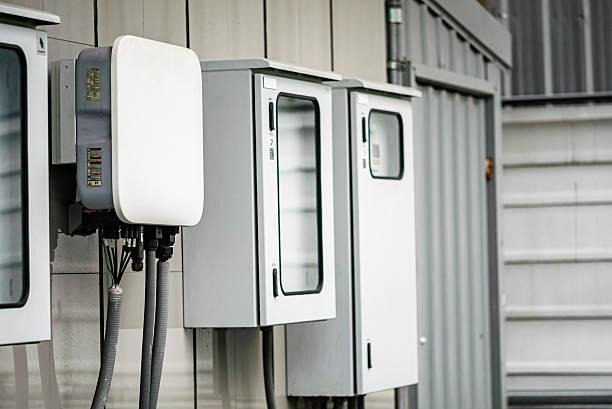
Outdoor & Wall-Mounted Enclosures: How to Choose the Right Solution for Different Environments
Selecting the right enclosure for electrical or electronic equipment is not a one-size-fits-all decision. Different environments place different demands on equipment protection, accessibility, and long-term reliability. Outdoor and wall-mounted enclosures must be chosen carefully to ensure they match real operating conditions, safety requirements, and future needs.
This article focuses on decision-making and selection strategy—helping professionals understand how to evaluate enclosure options based on environment, usage, and system demands.
Why Enclosure Selection Impacts System Performance
An enclosure does more than protect equipment from physical damage. It directly influences system efficiency, maintenance frequency, and operational safety. A poorly matched enclosure can trap heat, allow moisture ingress, or limit access for servicing.
Choosing the right enclosure from the start helps prevent premature equipment failure, reduces downtime, and supports smoother long-term operation.
Understanding the Environment Before Selecting an Enclosure
The first step in enclosure selection is understanding the environment where it will be installed. Environmental conditions dictate material choice, sealing requirements, and design features.
Key environmental questions include:
- Will the enclosure be exposed to rain, dust, or sunlight?
- Are temperature fluctuations extreme or moderate?
- Is the area industrial, commercial, or public?
- Is there a risk of corrosion, vibration, or impact?
Clear answers to these questions guide all further decisions.
Indoor vs Outdoor Requirements
Although some enclosures are designed for both indoor and outdoor use, their performance expectations differ.
Outdoor environments typically require:
- Weather-resistant materials
- Strong sealing against moisture and dust
- UV-resistant finishes
- Durable construction to handle physical exposure
Indoor environments may prioritize:
- Compact design
- Ease of access
- Noise control
- Clean aesthetics
Wall-mounted enclosures are commonly used in both scenarios but must still be matched to their specific conditions.
Material Selection Based on Use Case
Material choice has a direct impact on durability, maintenance, and cost. Common enclosure materials include stainless steel, aluminum, galvanized steel, and non-metallic options.
Material selection should be based on:
- Corrosion risk
- Weight limitations
- Hygiene or cleanliness requirements
- Electrical insulation needs
For example, stainless steel is often preferred in corrosive or hygienic environments, while aluminum may be selected where weight reduction is important.
Size, Capacity, and Internal Space Planning
Choosing an enclosure that is too small can lead to overcrowding, poor airflow, and difficult maintenance. Selecting one that is excessively large can waste space and increase costs.
Smart size planning considers:
- Current equipment dimensions
- Cable routing requirements
- Space for ventilation or cooling
- Room for future expansion
Professionals often recommend leaving extra internal capacity to support upgrades without enclosure replacement.
Wall-Mounted Enclosures and Space Optimization
Wall-mounted enclosures are ideal when floor space is limited or when equipment must be positioned away from ground-level risks. However, not all wall-mounted solutions offer the same level of flexibility.
Important considerations include:
- Load-bearing capacity of the wall
- Enclosure weight and mounting hardware
- Door swing clearance
- Ease of internal access
Selecting the right wall-mounted enclosure improves both safety and efficiency.
Protection Levels and Sealing Quality
Protection against dust and moisture is one of the most critical enclosure characteristics. Weak sealing can compromise even the most durable enclosure materials.
High-quality designs focus on:
- Reliable door gaskets
- Secure locking mechanisms
- Proper cable entry systems
- Protected ventilation openings
Solutions such as Outdoor & Wall-Mounted Enclosures are engineered to maintain consistent protection levels under real-world conditions.
Thermal Management as a Selection Factor
Heat management is often underestimated during enclosure selection. Equipment generates heat, and enclosed spaces can trap it if not properly designed.
When evaluating enclosure options, consider:
- Natural airflow capabilities
- Compatibility with fans or cooling units
- Internal layout that supports ventilation
- Material properties affecting heat dissipation
Selecting an enclosure with thermal performance in mind helps prevent long-term reliability issues.
Security and Access Control
Enclosures often house sensitive or critical equipment. Security features protect against unauthorized access, tampering, and accidental contact.
Key security features may include:
- Lockable doors
- Reinforced panels
- Tamper-resistant fasteners
- Controlled access points
In public or shared environments, these features are especially important.
Maintenance Needs and Service Access
Ease of maintenance should be part of the selection process, not an afterthought. Enclosures that allow quick, safe access reduce service time and operational disruption.
Look for:
- Hinged doors
- Removable panels
- Clear internal layouts
- Adequate working space
Service-friendly designs save time and reduce long-term costs.
Matching Enclosures to Industry Requirements
Different industries prioritize different enclosure features:
Manufacturing
Requires durability, vibration resistance, and continuous operation support.
Energy and Utilities
Demand reliability, compliance, and long service life.
Commercial Buildings
Often balance protection with appearance and noise control.
Flexible solutions like Outdoor & Wall-Mounted Enclosures adapt well across these varied environments.
Quality Manufacturing and Trusted Design
Consistent performance depends on manufacturing quality. Precision fabrication, durable finishes, and tested designs ensure enclosures perform reliably throughout their lifespan.
Many professionals choose Eabel because its enclosure solutions are designed with real selection challenges and long-term operational demands in mind.
Planning for Future System Changes
Technology rarely stays static. Systems expand, monitoring devices are added, and control requirements evolve.
Selecting enclosures with:
- Extra internal capacity
- Modular mounting options
- Flexible cable entry locations
helps future-proof installations and reduces replacement costs.
Conclusion
Choosing the right outdoor or wall-mounted enclosure requires more than matching dimensions or materials. It involves understanding the environment, system requirements, maintenance needs, and future growth plans.
By carefully evaluating these factors, organizations can select enclosure solutions that provide reliable protection, operational efficiency, and long-term value. The right enclosure choice supports not only equipment performance but also the safety and efficiency of the people who rely on these systems every day.
Keep an eye for more latest news & updates on Knowledgearrow!